Let's talk about the thing nobody mentions in polite company
Anorgasmia is more common than you think. Studies suggest anywhere from 10 to 40 percent of people with vulvas experience persistent difficulty reaching orgasm or can't reach one at all. That's not a personal failure. That's a nervous system that's learned to do its job too well—protecting you from something.
Here's what I see in my practice: the block is rarely purely physical. It's usually a chain reaction of tension, anticipation, distraction, and years of learned patterns.
And here's where lemon vibrators change the game. They're not magic. But they work in a specific way that can interrupt that chain.
What actually stops orgasm from happening
Think of orgasm as needing three things to align: physical sensation, mental focus, and nervous system permission. When any one of those breaks, the whole thing stalls.
Physically, your clitoris has about 8,000 nerve endings. But getting enough of them firing in the right pattern takes either consistent pressure, the right rhythm, or both. Many people spend years trying to reach orgasm through touch alone, and their nervous system learns that it's not going to happen. Then when they finally do try something different, that learned pattern is still running in the background.
Mentally, the moment you start thinking "am I going to come, am I taking too long, why isn't this working," you've left the building. Your brain can't focus on sensation and run a worry loop at the same time. Anorgasmia often shows up alongside performance anxiety, past trauma, relationship tension, or just plain distraction.
Nervously, your body might be stuck in a low-level stress state. If you're chronically tense, holding your breath, or bracing your pelvic floor, your system doesn't have the bandwidth to build toward release. It's too busy managing the baseline threat.
How lemon clitoral vibrators interrupt the pattern
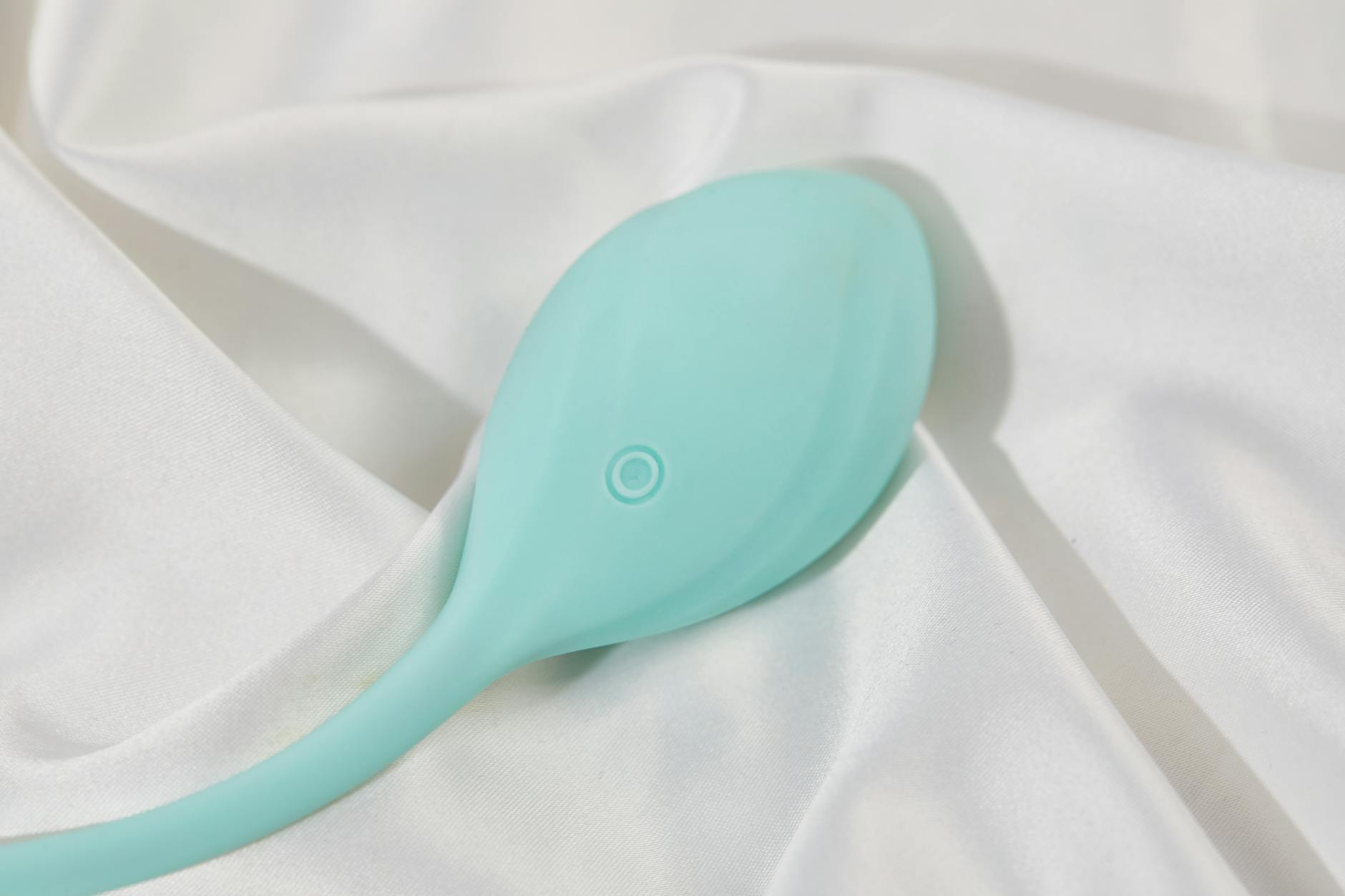
A lemon vibrator, or suction-based clitoral stimulator like the Lem, works differently than a traditional vibrator. Instead of vibrating against your skin, it creates a gentle pulse of suction that stimulates nerve clusters without requiring the mental effort of finding the exact right spot or keeping perfectly still.
Here's why that matters for anorgasmia.
First, a suction vibrator demands less from you. You don't have to perform. You don't have to angle it correctly or adjust pressure every three seconds. The device does most of the work. That sounds small, but for someone whose brain has spent years in "trying and failing" mode, removing the mechanical problem removes half the mental friction.
Second, the sensation pattern itself is novel. If you've been trying to reach orgasm the same way for years without success, your nervous system has literally trained itself to expect failure in that context. A different type of stimulation—suction instead of vibration, pressure instead of rapid movement—can bypass that learned pattern. It's like speaking to a different part of your brain.
Third, lemon vibrators tend to work faster. Most people report feeling significant sensation within seconds and reaching orgasm within minutes. That speed matters. It means your mind has less time to spiral into anxiety. Your nervous system gets to the finish line before your worry catches up.
The mental piece you can't skip
Here's what I need to be clear about: a vibrator alone won't fix anorgasmia rooted in trauma, relationship conflict, or deep-seated shame. A tool can help your body cooperate. It can't do the emotional work for you.
But here's what I've seen happen. A person uses a lemon vibrator. They have an orgasm. Suddenly, their nervous system has new data. "Oh, orgasm is possible for me." That single experience can shift years of "I can't." It breaks the learned helplessness.
From there, you can start asking better questions. Was the difference the device, or was it the permission you gave yourself to just feel something instead of perform? Was it the speed, or was it that you were finally alone and undistracted? That's where real change starts.
If you're in a relationship, introducing a lemon vibrator to your partner without awkwardness becomes part of the conversation. Sometimes anorgasmia is about the dynamic with your partner. Sometimes it's about your own body. Often it's both. A vibrator can help you separate those threads.
Physical factors that make it easier
Beyond the nervous system piece, a few physical realities help lemon clitoral vibrators work better for people with anorgasmia.
Tissue sensitivity matters. The clitoris has a concentration of nerve endings, but not all of them are equally accessible depending on your anatomy. Suction stimulation can activate deeper nerve clusters that direct vibration might miss. That's why people sometimes say a lemon vibrator "reaches somewhere other toys don't."
Tension patterns are also real. If you're holding your pelvic floor tight out of habit or anxiety, direct vibration can sometimes amplify that tension. Suction, because it's a different sensation entirely, can sometimes allow your muscles to relax instead. Relaxation is actually a prerequisite for orgasm. Your pelvic floor needs to be able to let go.
Pharmacologically, some medications and health conditions genuinely make orgasm harder. SSRIs, blood pressure meds, hormonal changes—these are real. But even when there's a medical component, the right tool can help your body find a pathway around it. It's not about forcing the issue. It's about working with your physiology instead of against it.
How to actually use this for anorgasmia
If you're trying a lemon vibrator specifically because you struggle with orgasm, here's what's actually helpful.
Start alone. No partner, no performance pressure, no distractions. Your job is literally just to feel what you feel and notice what happens. That's it.
Give yourself permission to spend time on this. Anorgasmia doesn't usually fix itself in one session. But most people find that after three to five times using the right tool, something shifts. Their nervous system starts to believe orgasm is possible. From there, it gets easier.
Don't white-knuckle it. The moment you're straining toward orgasm, you've left sensation. Drop the goal. Focus on what feels good right now. Orgasm is usually the thing that happens when you stop trying so hard.
If you've tried lemon vibrators and nothing's shifted, how lemon vibrators help with delayed orgasm and mental blocks covers deeper psychological barriers. You might also consider talking to a therapist who specializes in sexuality. Sometimes the barrier is real, and it needs real professional support. A vibrator is a tool. It's not therapy.
When to see someone
Anorgasmia that started suddenly, or that's paired with pain, numbness, or loss of desire, warrants a doctor's visit. Hormonal changes, medication side effects, neurological issues—these are real and worth ruling out.
If anorgasmia is rooted in trauma or relationship dynamics, a sex therapist or relationship counselor is more helpful than any device. I work with couples navigating this all the time. Sometimes the conversation with your partner is the intervention. Sometimes you need support untangling old patterns.
But if you've ruled out medical issues, you're not in active trauma processing, and you're just stuck in a nervous system rut? A lemon vibrator can be genuinely transformative. It gives your body and brain a new experience. That new experience is often the thing that breaks the pattern.
The reset your nervous system might need
Anorgasmia is a symptom. It's your nervous system telling you something isn't working. That might be a physical signal. That might be a psychological one. Usually, it's both.
A lemon vibrator doesn't solve the underlying issue. But it can give your nervous system permission to try again. It can show your body that pleasure is still available to you, even if the old pathway stopped working.
That reset is sometimes all you need. The rest follows.
People also ask
Can anorgasmia caused by antidepressants be fixed with a vibrator?
Maybe partially. SSRIs and other antidepressants genuinely make orgasm harder by affecting serotonin signaling and blood flow. A lemon vibrator can sometimes work around this by providing intense, consistent stimulation that doesn't require as much arousal baseline. But medication-induced anorgasmia often needs a medication adjustment, a timing change (taking it after sex instead of before), or adding something like bupropion. Talk to your prescriber. A vibrator helps, but it's not a substitute for addressing the root cause.
Is anorgasmia permanent?
No. Even lifelong anorgasmia can shift. I've worked with people in their 50s and 60s who thought they'd never have an orgasm and then suddenly did. Your nervous system can learn new patterns at any age. It takes the right conditions and usually the right tool. A lemon vibrator is often that tool.
Can you have anorgasmia and still enjoy sex?
Completely. Orgasm is one part of pleasure. Some people with anorgasmia love intimacy, sensation, and connection without needing to reach that specific endpoint. That said, if you want orgasm to be part of your experience and it isn't, that's worth addressing. You deserve the full range.
Do clitoral vibrators work for everyone?
No. Some people's nervous systems respond better to other types of stimulation—penetration, combination play, indirect stimulation, fantasy, or nothing at all. If a lemon vibrator doesn't work after a few tries, that doesn't mean you're broken. It means you haven't found your thing yet. Some people need variety. Some need a completely different approach.
Why does performance anxiety kill orgasm?
Because your nervous system can't be in "focus on sensation" mode and "perform for someone" mode at the same time. Orgasm requires a shift into parasympathetic activation. That's a relaxed, safe state. Performance anxiety keeps you in sympathetic—alert, vigilant, tense. You're literally neurologically blocked. That's why being alone, or being with a partner who takes the pressure off, changes everything.
How long does it usually take a lemon vibrator to work for anorgasmia?
Variable. Some people feel a difference in the first session. Others take three to five sessions for their nervous system to recalibrate. Occasionally, it takes longer, or a vibrator alone isn't enough. The point is: give it a real chance before you write it off. Your nervous system has had time to learn the old pattern. It needs time to learn a new one.
If anorgasmia is something you're navigating, you're not alone and you're not broken. Your body is doing what it learned to do. The right approach—whether that's a lemon clitoral vibrator, professional support, medication adjustment, or a combination—can help you rewrite that pattern. Reach out if you want to talk through your specific situation.