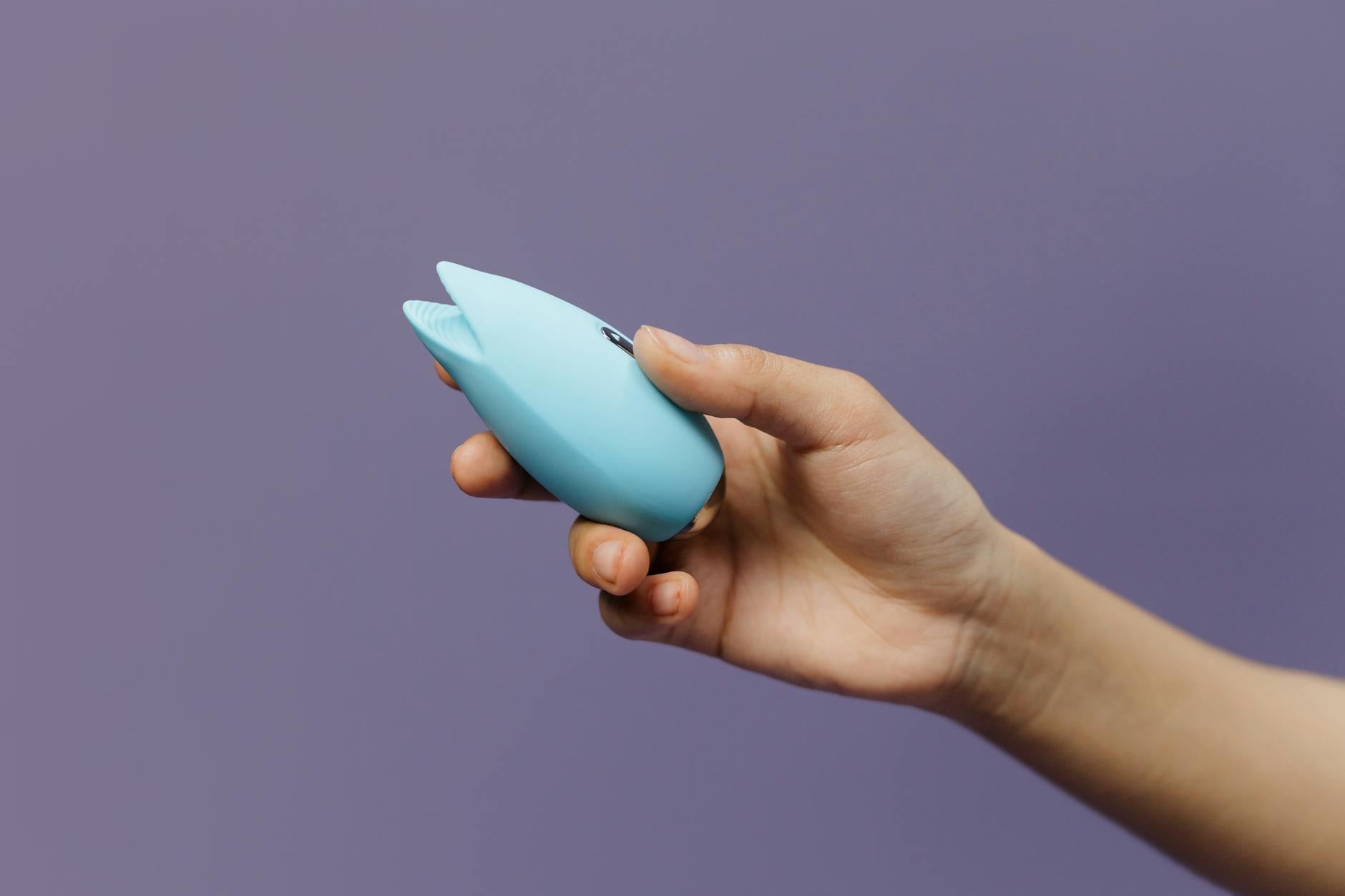
Why Sensitive Tissue Needs a Different Approach
Let's be real. Not every body responds the same way to vibration intensity. Some people have naturally sensitive clitoral tissue. Others develop sensitivity after hormonal shifts, medication changes, or just years of expecting their body to perform a certain way. And honestly, plenty of people discover their sensitivity only after trying a toy that's too much too soon.
The good news is that lemon vibrators, particularly their suction-based design, are actually gentler on sensitive tissue than you might think. But only if you use them right.
Understanding Your Tissue Type
Clitoral sensitivity falls into three rough buckets. First, there's people with naturally thin or reactive tissue. This isn't a flaw. It's just how your body was built. Second, there's acquired sensitivity from hormonal changes like perimenopause, menopause, or post-hormonal-birth-control adjustments. Third, there's reactive sensitivity from irritation, inflammation, or just needing more time between sessions.
The tricky part? You might not know which category you're in until you experiment carefully. That's where starting low and moving up matters more than anything else.
Start at the Lowest Setting and Stay There Longer Than You Think
Most lemon vibrators have multiple intensity levels. If you've got a Lem or similar model, pattern 1 and 2 exist for exactly this reason. Start at pattern 1. Not as a "test run." Start there, commit to it for at least five minutes, and feel what's actually happening.
Your nervous system needs time to adapt. Jumping to pattern 3 because pattern 1 feels subtle is how you end up with irritation and zero desire to try again. Give your tissue and your brain time to wake up.
Lubrication Is Non-Negotiable
Water-based lubricant isn't optional when you've got sensitive tissue. It's foundational. It creates a barrier between the vibrator head and your skin, reducing friction and allowing the vibration to do its job without mechanical stress.
Apply generously. Seriously. More than feels necessary. This is not the place to be conservative. A water-based lube warms with your skin and creates an environment where subtle stimulation actually registers instead of feeling annoying.
If you're using a silicone toy, stick exclusively to water-based lubes. Silicone-based lubes degrade silicone toys over time. And oil-based lubes trap bacteria against delicate tissue. Water-based is the only choice here.
Angle and Position Matter More Than You'd Expect
Direct contact isn't always best. Many people with sensitive tissue find that angling the vibrator slightly, targeting the side or base of the clitoris rather than the tip, distributes the sensation more evenly and feels less intense.
Experiment with positioning. Try the vibrator head at different angles. Try holding it at a distance where you feel vibration without direct pressure. Try moving it slowly in small circles rather than pressing it stationary against tissue.
Your body will tell you what feels right. The goal is to listen instead of powering through.
The Role of Warm-Up and Arousal
Sensitive tissue responds better when you're already aroused. Clitoral blood flow, tissue plumping, and lubrication all need time to build. Trying a vibrator on unprepared tissue is like jumping into cold water. It's shocking and not pleasant.
Spend time on mental arousal first. Read something that interests you. Touch yourself with your hands. Let your body wake up. Then introduce the vibrator. You'll notice the difference immediately.
When to Take Breaks
Sensitivity sometimes increases as you approach orgasm. This is normal. What matters is knowing when to ease off rather than push through. If sensation starts feeling sharp or irritated rather than pleasurable, reduce the intensity or give your tissue a minute of rest.
One orgasm is enough. Chasing multiples when you've got sensitive tissue often backfires. Your nervous system shuts down, sensation numbs, and you end up frustrated. One really good one beats three mediocre attempts.
The Importance of Post-Session Care
After you're done, give your tissue a little attention. A gentle rinse with water is fine. Some people like to apply a tiny amount of soothing balm. Whatever you do, avoid anything with fragrance, alcohol, or irritating ingredients for at least a few hours.
Notice how your tissue feels the next day. Slight redness that fades by morning is normal. Pain, persistent irritation, or swelling means you went too hard or didn't use enough lube. Adjust next time.
Building Your Sensitivity Map Over Time
Sensitivity isn't fixed. It changes with your cycle, stress levels, sleep, hydration, and a dozen other factors. What feels perfect this week might feel too intense next week. This sounds annoying but it's actually useful information.
Keep a loose mental note of what works. Over time you'll build your own sensitivity map. You'll know which intensity levels work on high-stress days. You'll notice which positions feel best. You'll understand your tissue better than any guide can explain it.
Common Mistakes to Avoid
Don't assume all lemon vibrators work the same way. Air-pulse models, like the Lem, are different from traditional vibrators. Why Clitoral Vibrators Work Better for Some People Than Others covers this in detail, but the short version is that suction-based toys distribute intensity differently and often feel gentler on sensitive tissue.
Don't skip lubrication to save money or time. It's cheap and it's essential. Don't assume you need more intensity to "make it work." Often the opposite is true. Don't compare your sensitivity to someone else's. Bodies vary wildly, and that's fine.
When Sensitivity Might Signal Something Else
Pain that's sharp, burning, or doesn't resolve after a day or two warrants a conversation with a doctor. Dermatitis, yeast infections, or other conditions can cause sensitivity that feels toy-related but isn't. Getting checked out takes five minutes and rules out anything medical.
Similarly, if you've had negative experiences with toys before, working with a pelvic floor physical therapist can help you understand whether the issue was technique, tool choice, or pelvic floor tension. Many people discover their "sensitivity" was actually tension they didn't know they had.
Making It Work Long-Term
Using a lemon vibrator on sensitive tissue takes a little more intention. It requires patience, lubrication, and the willingness to work at your body's pace rather than the toy's capability. But once you dial it in, you've got a tool that works with your tissue instead of against it.
Sensitivity isn't a limitation. It's information. And when you understand it, pleasure becomes easier, not harder.
Frequently Asked Questions
Can I use a lemon vibrator if I have sensitivity issues from medical conditions?
Most medical sensitivities are manageable with careful technique, but it depends on the condition. Endometriosis, nerve damage, or chronic pain conditions might require extra caution or professional guidance. Talk to your healthcare provider first. They can tell you whether vibration is safe for your specific situation and what precautions matter.
Is water-based lubricant safe to use with silicone toys?
Yes, completely. Water-based lube is the only option if you're using silicone toys. Silicone-based lubes break down silicone material over time. Oil-based lubes can trap bacteria. Water-based is the safest, cleanest, and longest-lasting choice for sensitive skin and silicone toys together.
How do I know if I'm having an allergic reaction versus normal sensitivity?
Normal sensitivity feels like mild irritation or redness that fades within a few hours. An allergic reaction involves itching, swelling, hives, or burning that persists or worsens. If you suspect an allergy, stop using the toy immediately, rinse with cool water, and see a doctor if symptoms don't resolve quickly. Most lemon toys are made from body-safe silicone, but always check the materials list.
Should I use numbing gel or cream to make vibration more comfortable?
No. Numbing products block sensation entirely, which means you won't feel pain signals that tell you if something's wrong. Sensitivity exists for a reason. Work with it using lube and technique instead. If sensation is truly painful rather than just intense, that's a sign to stop and investigate why, not to mask it.
Can sensitivity improve over time if I keep using a vibrator carefully?
Yes, often. Your nervous system adapts to sensation over time. Regular, gentle use can actually help your tissue build tolerance and responsiveness. That said, improvement takes weeks, not days. And it only works if you're patient and don't push through discomfort. Listen to your body and trust the process.
Is there a difference between lemon vibrators and other types for sensitive tissue?
Yes. Do Lemon Vibrators Work Better Than Traditional Toys? goes deep into this, but the key difference is that air-pulse lemon vibrators like the Lem use suction rather than direct vibration. This tends to feel gentler and less intense on sensitive tissue. The stimulation is broader and more distributed, which many people with sensitivity find more comfortable than concentrated vibration.
Final Thoughts
Sensitive tissue doesn't mean vibrators aren't for you. It means vibrators are for you, but with intention. Start low, use plenty of lube, angle thoughtfully, and give your body time. Your pleasure is worth the extra care, and once you find your rhythm, it's absolutely worth it.
If you have questions about which lemon vibrator might work best for your body, or if you're still figuring out what your sensitivity needs, reach out. We're here to help.