
Let's talk about the thing nobody mentions until it's happened to them
You're using your lemon vibrator, everything feels incredible, and then somewhere around week three or month two, you notice something's off. The same intensity that made you dizzy last week barely registers now. You crank it up. Still nothing. You switch to a faster pattern. Nothing.
That's not your body breaking. That's desensitization. And it's completely preventable.
What numbness actually is (and why it's not permanent)
Here's the science part, but I'll keep it digestible. When you expose any nerve to consistent, intense stimulation, that nerve adapts. The nerve endings literally reduce their sensitivity response. It's called "neural adaptation," and it's your body being efficient. Your nervous system says: "Okay, this stimulus is constant. I don't need to fire at maximum alert every time."
It's the same reason you stop noticing the hum of your refrigerator or the weight of your watch after you're wearing it for an hour.
The critical thing to understand: this is adaptive, not damage. Your nerves aren't broken. They're just quieter. Give them a break, and sensitivity comes roaring back within 24 to 48 hours.
Most people don't know this, so they panic and either quit using vibrators altogether or escalate intensity to dangerous levels. Neither is necessary.
The three patterns that trigger desensitization fastest
1. Using the same intensity every session.
Your body learns that pattern. If you always start on level three and finish on level five, your nerve endings know exactly what to expect. They habituate.
The fix is randomization. Start on level two one day, level four the next. Vary your patterns. Mix up what pattern you begin with. This keeps your nervous system alert.
2. Long, back-to-back sessions.
More than 15-20 minutes of continuous stimulation in one go is where most people hit the desensitization wall. Your clitoral tissue is sensitive, and sustained vibration is intense. Extending sessions doesn't create stronger orgasms. It creates numb nerves.
I recommend capping sessions at 15 minutes on most days. Yes, really. Quality over duration changes everything.
3. Jumping straight to maximum intensity.
People assume higher intensity equals better sensation. It doesn't. If you dive straight to level six or seven, your nerves respond by downregulating. You've given them no room to climb. Start lower. Let your body build anticipation.
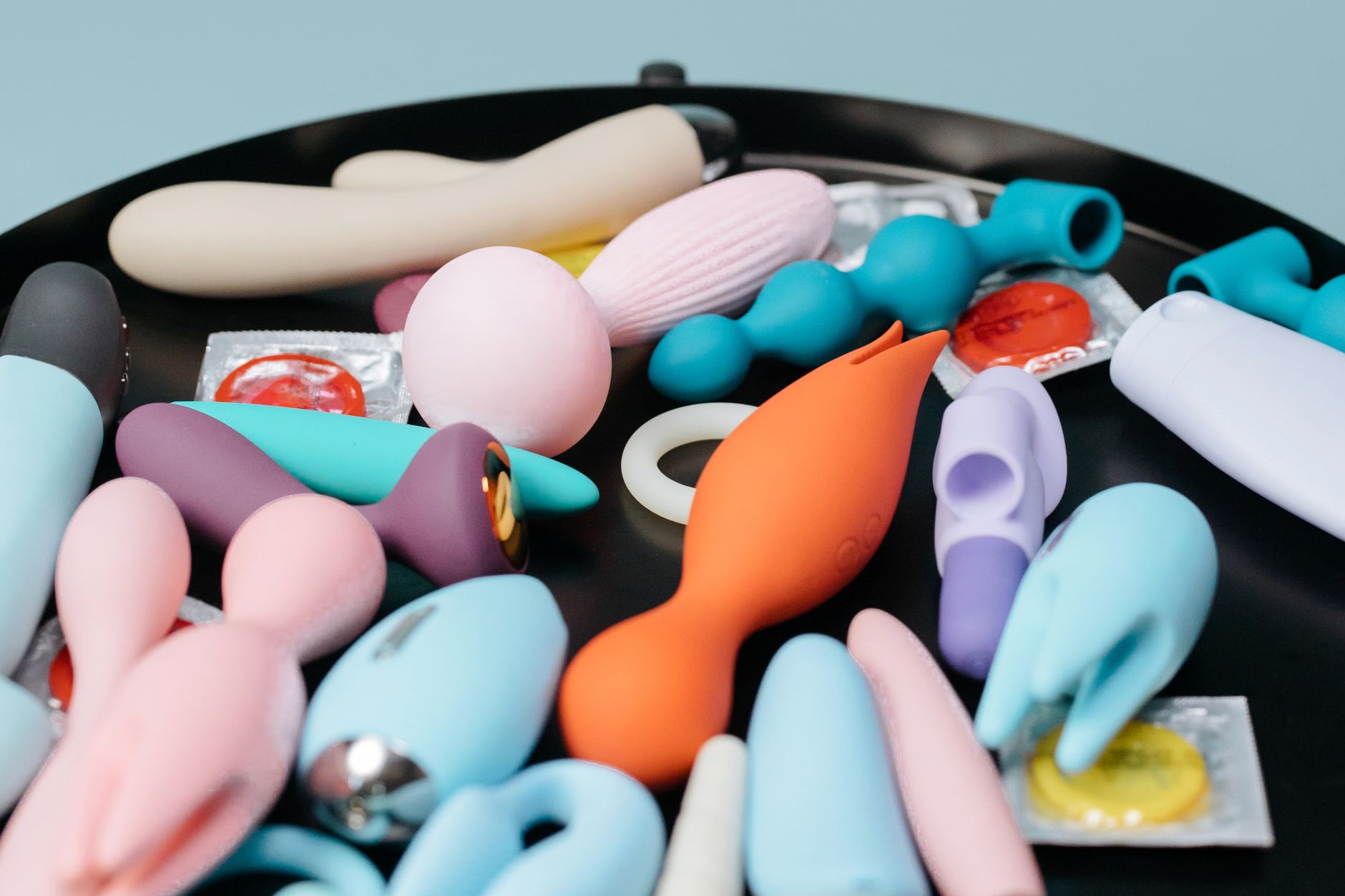
Photo by cottonbro studio on Pexels
The rhythm technique that keeps sensation alive
Here's the practical strategy I recommend to almost every person using clitoral vibrators, whether it's a lemon vibrator or any other device.
The 5-2-5 protocol:
Start at a medium intensity (level 3 or 4 on the Lem). Use it for 5 minutes. Then pause completely for 2 minutes. During those 2 minutes, don't touch yourself. Let your nerves reset. Then return to the same intensity for another 5 minutes. If you do this once more (5 minutes on, 2 minutes off, 5 minutes on), you're looking at a 17-minute session with built-in reset periods.
What happens during those 2-minute breaks is magic. Your nerve endings re-sensitize slightly. When you return, sensation feels fresh. You're not chasing numbness. You're preventing it from arriving in the first place.
This is why how to use a lemon vibrator for maximum pleasure without numbing matters so much. The technique is the tool.
Pressure and angle matter way more than you think
Most desensitization isn't about how long you use a vibrator. It's about how hard you press it against your body.
Direct, heavy pressure causes faster nerve adaptation than light, angled pressure. If you're pressing your lemon vibrator flat against your clitoris with force, you're maximizing contact area and intensity simultaneously. That's the fastest path to numbness.
Instead, try:
- Light contact. Let the vibrator do the work. Your finger shouldn't be white-knuckling the device.
- Angled application. Position the vibrator so it's hitting the side of your clitoris or the surrounding vulva, not dead-center. You get sensation without saturation.
- Movement. Instead of holding it still, move it in small circles or up-and-down motions. This changes which nerve endings are firing at any given moment.
Low pressure with movement beats high pressure with stillness every single time for lasting sensation.
The rest-day strategy that actually works
If you're already experiencing numbness, the fastest reset isn't to use your vibrator more or differently. It's to take a break.
24 to 48 hours away from vibration returns you to baseline sensitivity in most cases. One full day off per week is a sane maintenance rhythm if you're using a vibrator more than three times weekly.
I know that sounds counterintuitive if you love using your device. But think of it this way: one day off per week means six days of extraordinary sensation versus seven days of gradually declining sensation. The math is obvious.
If numbness has already set in hard, take 3-5 days completely off. Seriously. Your nerves will thank you, and you'll remember why you loved your lemon vibrator in the first place.
Pattern rotation kills habit faster than anything else
Here's a fact: if your lemon vibrator has multiple patterns, most people use the same one every time. It works, so why change? Because your nervous system gets bored.
Switch patterns every 2-3 days. If you have five patterns available, rotate through them. Each pattern fires nerves in a slightly different sequence. Rotation prevents your body from fully adapting to any single one.
Patterned vibration (pulsing) also tends to create less desensitization than constant vibration. If your device offers both, alternate between them.
The sensitivity check: how to know if you're headed toward numbness before it's too late
You don't have to wait until sensation is completely gone to make changes.
Check in with yourself: does the same intensity feel as good as it did last week? If you notice yourself wanting to increase intensity just to feel the same sensation, that's early desensitization talking. That's your cue to dial back, take a break day, or switch patterns.
This is similar to recognizing signs in why lemon vibrators feel different after hormonal changes. Your body gives you feedback. Listen to it early.
Lubrication and tissue health matter more than you'd think
A dry clitoris and a well-lubricated one have very different sensation profiles. When tissues are dehydrated or irritated, you get less clear feedback from your nerve endings. Your brain can't tell the difference between "low sensation" and "numb tissue."
Use a water-based lubricant, even for solo sessions. Not because you're doing anything wrong, but because it improves the interface between vibrator and skin. You get sharper sensation with less intensity needed. This naturally prevents you from pushing into desensitization territory.
Change your lube every 5 minutes or so if you're doing longer sessions. Friction creates heat, which creates irritation, which creates numbness.
When to worry versus when to reset and move on
If sensation is slow to return after a 3-5 day break, there's usually something else happening. Hormonal shifts, stress, or medication changes can muffle sensation independently of vibrator use.
If numbness returns only during certain times of your cycle, that's normal. Your clitoral tissue is more sensitive at some points than others.
If numbness persists beyond a week of rest, that might be worth mentioning to a healthcare provider. It's rare, but it's worth checking in. Most of the time though, you're looking at simple adaptation that responds immediately to a pause and a reset.
Frequently asked questions
Can you permanently damage nerve sensation by using lemon vibrators too much?
No. The numbness people experience from vibrator use is temporary nerve adaptation, not structural damage. It's identical to how your skin adapts when you wear a tight bracelet. Remove the stimulus, and sensitivity returns within 24 to 72 hours. Permanent damage from vibration alone is not documented in sexual health literature. Your nervous system is designed to adapt and recover.
Is one type of vibrator less likely to cause numbness than another?
Suction-based vibrators like the Lem vibrator tend to create less desensitization than conventional vibration for two reasons: they stimulate through a different mechanism (suction versus direct vibration), and most people naturally use them in shorter bursts. That said, any vibrator can cause temporary numbness if used with constant high intensity and no breaks. The device matters less than the technique.
If I'm experiencing numbness, should I switch to a different vibrator?
Not necessarily. Numbness is usually a usage pattern issue, not a device issue. Switch patterns, take a break, vary intensity, and shorten sessions first. If you're still numb after three days off and you change your technique, a different device won't fix an underlying habit. That said, switching to a different stimulation type (like suction instead of vibration) can help reset your nervous system while you're taking a break.
How do I know if I'm using vibrator intensity that's too high?
If you feel mild discomfort, soreness, or rawness afterward, your intensity is too high. Pleasure should feel good during and leave you feeling satisfied afterward, not tender or irritated. If you're at maximum intensity within your first session, that's a sign you're pushing too hard. Start at level 2 or 3 and climb slowly over 5-10 sessions.
Can alcohol or other substances make numbness worse?
Yes. Alcohol dehydrates tissues and muffles sensation. Cannabis can numb sensation or make it harder to feel feedback. Stimulants can create anxiety that reduces your ability to feel pleasure. If you're using lemon vibrators alongside substances, that's worth considering. Sober sessions often reveal whether desensitization is device-related or substance-related.
Is it normal for pleasure to feel different after using vibrators for a few months?
Partially. Some shift is normal as your body learns what you like. But a dramatic drop in sensation while using the same device at the same intensity is usually desensitization, not normal change. The reset strategies in this guide should bring you back. If they don't, that's when other factors (stress, relationship shifts, hormonal changes) are probably in play.
The bottom line
Vibrator numbness is real, common, and completely fixable. It's not a sign that vibrators are bad for you or that your body is broken. It's a sign that your nervous system is working exactly as designed. You've just pushed it into adaptation mode. Pull back, rotate patterns, take breaks, and vary intensity. Your sensitivity will return. And then you can enjoy your lemon vibrator without chasing it.
Sources consulted: International Society for Sexual Medicine, Journal of Sexual Medicine (desensitization and neural adaptation research), Mayo Clinic sexual health guidelines.