Okay so here's the thing about nervous anticipation
You're not broken. You're not weird. The flutter in your stomach right now, the part of you that's excited but also genuinely uncertain about what happens when you press that button. That's not a red flag. That's actually how most people feel the first time they try something new with their body.
Nervousness before trying a lemon vibrator isn't a barrier to pleasure. It's often the thing standing between you and discovering what you actually like.
What the nervousness is actually about
Let me name a few things I hear most often: "Will it feel weird?" "What if I don't like it?" "What if I come too fast?" "What if nothing happens at all?" "Will it hurt?"
All of these are legitimate, and none of them are reasons to skip it. Here's what actually happens with a lemon clitoral vibrator the first time you use one, stripped of the internet mythology.
A lemon vibrator uses suction and gentle pulsation, not the direct intense vibration of traditional wand vibrators. This means the sensation is closer to what your body recognizes as pleasurable touch. It's not invasive. It's not loud by most measures. It's not going to surprise you with unexpected intensity unless you dial it up to settings you haven't tested yet.
Most people's nervousness starts to dissolve about 90 seconds into actually using the device, once they realize their body isn't going to do anything shocking or embarrassing.
Building confidence before you even switch it on
Here's what I recommend to clients who are genuinely anxious about this step. Do the boring stuff first.
Read the instructions. Seriously. Not because they're complicated, but because knowing exactly what the buttons do, what the power levels feel like, and what the materials are made of removes a whole category of uncertainty. Hello Nancy includes solid care guides with every device. Use them.
Charge it fully. A lemon vibrator's first full charge takes about 90 minutes. Don't skip this step. Using it partially charged means you're not experiencing what it's actually designed to do.
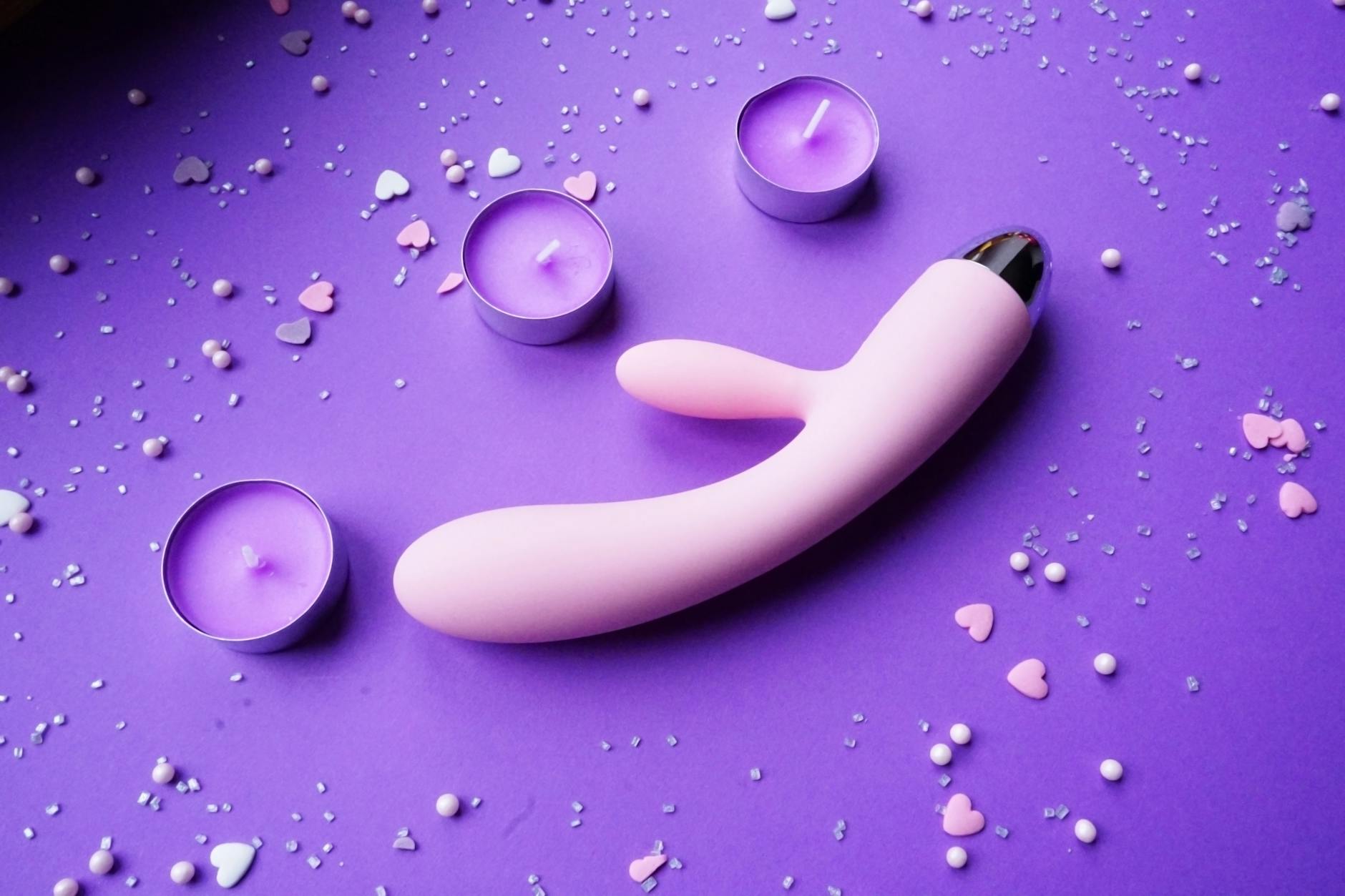
Hold it. Run it without turning it on. Feel the weight, the texture, the shape. Your hand will adjust faster than you think. The Lem vibrator is designed to feel intuitive, not clinical.
Then, and only then, find a quiet moment alone. Make sure you have enough time that you're not rushing. Thirty minutes minimum. The nervousness that comes from watching the clock is different and harder to move through than the nervousness about the device itself.
Your first session should be boring, honestly
I tell people this and they usually look disappointed, which is fair. But here's why: you want your nervous system as calm as possible for the first time. This means lower expectations, not higher.
Turn it on at level one. That's it. Explore how level one feels for five minutes. No goal. No timeline for orgasm. No performance metric. Just you and the sensation.
After a few minutes of level one, maybe try level two. Notice if your body tenses up or relaxes. Notice what feels good and what doesn't. This information is gold because it tells you where your body actually wants attention and where you'd rather it move.
The goal of your first session is not an orgasm. The goal is data. "Oh, I like the sensation on the right side more." "I prefer sustained suction over pulsing patterns." "I need more warmth or more direct contact." These discoveries matter far more than coming quickly or intensely.
If an orgasm happens, great. If you just enjoy the sensation and stop, that's also completely fine and normal.
What happens to nervousness as you keep going
Most of my clients report that nervousness drops sharply after the second or third session. Your body becomes familiar with the sensation. Your brain stops waiting for something to go wrong. Your nervous system realizes you're safe.
AroundSession four or five, people usually start experimenting with different patterns, positions, or fantasy. That's when the real learning starts.
Some people find that a lemon clitoral vibrator works better than traditional toys because the sensation is gentler and less jarring to someone who's anxious. Others discover they prefer the intensity of a different design. That's fine. The point is you're building a relationship with your own body based on real data, not nervousness-fueled assumptions.
The nervousness that doesn't go away might be pointing to something else
Here's the part that matters for your relationship or your self-image: if the nervousness stays high after three solid tries, it might not be about the vibrator. It might be about shame, or control, or something in your history that says pleasure isn't safe for you.
That's not something a better device will fix. That's something worth exploring with a therapist or counselor, especially if you're in a partnership and this nervousness is affecting your connection. Pleasure is a relationship skill. Some people need support building it, and that's not a flaw.
Three practical things that help almost everyone
Naming the nervousness out loud. Say it to yourself, to your partner if you have one, or to a trusted friend. "I'm excited but also nervous about trying this." Naming it reduces its power.
Setting a tiny, achievable goal. Not "I want to have an amazing orgasm." More like "I want to try level one for five minutes and notice what I like."
Separating nervousness about the device from nervousness about pleasure generally. Sometimes the nervousness isn't really about the lemon vibrator. It's about whether you deserve to prioritize your own pleasure, or whether pleasure is something you're allowed to want. That's a different conversation, and it's worth having.
Common worries, actually answered
Will it feel weird? Yes, like most new sensations. The weird feeling usually stops being weird by the second or third try. Your body adapts quickly to new input.
What if I come too fast? Then you've learned something important about your body's responsiveness. That's useful data, not an embarrassment. And you can explore what helps you pace yourself next time, or whether you actually want to come faster and that's fine.
What if I don't feel anything? Less common than you'd think, but it happens. Usually means you need more time to warm up, a different setting, or a slightly different angle. Not that you're broken.
Will it be loud? The Lem vibrator is relatively quiet, especially on lower settings. Much quieter than traditional wands. But if noise is a real concern for your living situation, that's worth factoring in.
What if my partner feels weird about it? That's less about the vibrator and more about building comfort with pleasure in your partnership. If you're in a relationship, having the conversation before you start using it helps. "I want to explore this, and I'm nervous. Here's why I think it might be good for us." How to Introduce Lemon Vibrators to Your Partner Without Awkwardness covers this in depth.
The nervousness is actually a signal that you care
Here's something I think matters: nervousness about trying something new with your body usually means you're taking it seriously. You're not being reckless. You're paying attention. That's the exact mindset that leads to good experiences, because you're present and aware instead of disconnected and rushing.
Your nervousness isn't telling you to skip this. It's telling you to approach it with intention. And that's exactly what this guide is helping you do.
Start with the boring stuff. Build confidence step by step. Give your nervous system time to adjust. Notice what your body actually likes instead of what you think it should like.
The lemon vibrator isn't magic. But it is designed specifically to feel intuitive for people exploring clitoral pleasure. And you deserve to know what that feels like without the added weight of anxiety.
If you need more support as you start, How to Use a Lemon Vibrator on Sensitive Tissue has detailed information about pacing and comfort. You're not alone in this.
Frequently asked questions
What's the difference between nervousness about a lemon vibrator and nervousness about sex generally?
Nervousness about a vibrator is usually about novelty and control. You're choosing the timing, the setting, the pace. You know exactly what's going to happen because you control it. Nervousness about partnered sex often involves vulnerability, communication, and someone else's expectations. They're different problems with different solutions. If you're nervous about both, address them separately.
Should I tell my partner I'm trying a lemon vibrator for the first time?
That depends on your relationship. If you live together and they'll hear it, yes. If you're open about sexuality, yes. If you're not sure, ask yourself: would I want them to tell me? That usually clarifies things. Some people like to try solo first to build confidence, then introduce it together later. Both are fine.
How many times should I try before deciding it's not for me?
Three solid sessions minimum. Your nervous system needs at least that many attempts to settle and your body needs time to learn what it's feeling. If after three tries it still feels uncomfortable or wrong, that's real feedback and worth listening to.
Is it normal for my first experience to feel a little anticlimactic?
Completely normal. You've built this up in your head. The reality is usually calmer and less dramatic than your imagination. That's actually a good sign because it means you can relax and enjoy the next session without the same mental weight.
What if I have trauma or past sexual experiences that make me nervous?
That nervousness is valid and worth taking seriously. A lemon clitoral vibrator can be part of healing because you're in full control. But if the nervousness is tied to trauma, working with a therapist experienced in sexual healing might help you move through it faster. You don't have to do this alone.
Can nervousness actually prevent pleasure?
Yes and no. Mild nervousness usually fades after a few minutes once your body realizes it's safe. Significant anxiety can keep you tense and disconnected. If you find yourself stuck there, that's worth exploring with professional support. Some people find that grounding techniques, breathing, or starting with non-sexual touch first helps ease into it.